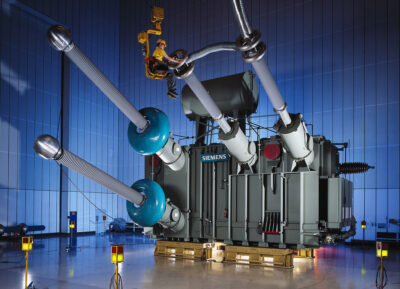
The global energy landscape is undergoing a monumental shift, and at the heart of this transformation lies a seemingly unassuming yet indispensable component: the transformer. Far from being a static piece of equipment, the transformer industry is a dynamic and critical sector, valued at approximately USD 57-68 billion in 2023, with projections to surge to over USD 82 billion by 2029 and potentially exceed USD 124 billion by 2033. This growth is fueled by a confluence of powerful trends, from the global push for renewable energy to the modernization of aging grid infrastructure. This article provides a comprehensive analysis of the transformer industry, examining its key drivers, emerging trends, major players, and the challenges it faces on the path to a more sustainable and electrified future.
The Core Drivers of Growth: What’s Energizing the Market?
The transformer industry’s robust growth trajectory is not accidental. It is propelled by a combination of global macroeconomic and technological forces:
- Soaring Global Electricity Demand: The most fundamental driver is the relentless increase in electricity consumption worldwide. Rapid urbanization, particularly in developing economies, and the proliferation of industrial activities are placing unprecedented stress on existing power grids. Nations like China and India are at the forefront of this trend, with significant year-over-year increases in electricity consumption.
- The Renewable Energy Revolution: The global commitment to combat climate change has led to a massive shift toward renewable energy sources like solar, wind, and hydropower. These decentralized and often intermittent power sources require specialized transformers to step up voltage for long-distance transmission and integrate smoothly into the existing grid. This has created a new, high-growth segment within the industry.
- Grid Modernization and Smart Infrastructure: A significant portion of the world’s power infrastructure is aging, leading to inefficiencies and power losses. Governments and utilities are investing heavily in modernizing these grids. The adoption of “smart” transformers, equipped with digital monitoring and predictive maintenance capabilities, is a key component of this modernization effort, enhancing reliability and efficiency.
- Expansion of Industrial and Commercial Sectors: Industries such as manufacturing, data centers, automotive, and oil & gas are major consumers of electricity. Their expansion, especially in emerging markets, directly translates to increased demand for high-capacity transformers to ensure a stable and uninterrupted power supply for their energy-intensive operations.
Key Trends Reshaping the Industry
The transformer industry is not just growing; it’s evolving. Several key trends are defining its future:
- Shift Towards Dry-Type and Eco-Friendly Transformers: There is a growing preference for dry-type transformers, which use air or solid insulation instead of oil. This is driven by their enhanced safety features, reduced fire hazards, and lower environmental impact. Additionally, manufacturers are focusing on developing eco-friendly transformers that utilize biodegradable liquids and reduce greenhouse gas emissions, aligning with global sustainability goals.
- The Rise of Smart and Digital Transformers: The integration of IoT (Internet of Things) and real-time monitoring systems is transforming transformers from passive components into intelligent assets. These smart transformers provide valuable data on performance, temperature, and potential faults, enabling predictive maintenance, reducing downtime, and improving overall grid management.
- Dominance of Distribution and Three-Phase Transformers: While power transformers are crucial for transmission, distribution transformers are expected to hold the largest market share. This is a direct result of rapid urbanization, electrification projects, and the need to step down voltage for safe delivery to residential, commercial, and industrial end-users. Within this segment, three-phase transformers are dominating, prized for their efficiency and ability to handle high power loads, making them the backbone of modern electrical infrastructure.
- Regional Growth Engines: The Asia-Pacific (APAC) region is the undeniable leader in the transformer market, driven by rapid industrialization and ambitious electrification projects in countries like China and India. The Europe, Middle East, and Africa (EMEA) region is also poised for significant growth, particularly from infrastructure upgrades in Europe and power sector reforms in the Middle East and Africa.
Market Segmentation: A Deeper Look
The transformer market can be segmented in various ways, each revealing a different facet of the industry:
- By Type:
- Power Transformers: Used in high-voltage transmission networks to step up or step down voltage over long distances.
- Distribution Transformers: The workhorses of the grid, stepping down voltage for safe delivery to end-users. This is the largest segment by market share.
- Specialty/Instrument Transformers: Used for specific applications like furnace operation, traction systems, or for measuring voltage and current in high-voltage lines.
- By Insulation:
- Liquid-Immersed: The traditional type, using mineral oil or synthetic liquids for cooling and insulation.
- Dry-Type: Increasingly popular due to safety and environmental benefits, using air or solid insulation.
- By Voltage:
- High Voltage: Critical for long-distance transmission.
- Medium Voltage: Widely used in industrial and commercial settings.
- Low Voltage: Primarily for residential and small business use.
- By End-User: The industrial sector is the largest end-user segment, followed by power utilities, residential, and commercial sectors.
The Competitive Landscape and Key Players
The global transformer industry is home to a diverse range of players, from multinational conglomerates to specialized regional manufacturers. While the market is competitive, several companies have established themselves as industry leaders:
- Hitachi Energy: A global leader in power and grid technologies, known for its focus on digital solutions and sustainable innovations.
- Siemens Energy: A major player with a strong portfolio of eco-friendly and smart transformers, aligning with global energy transition trends.
- ABB: Known for its advanced power and automation technologies, with a significant presence in both power and distribution transformers.
- General Electric (GE): A long-standing player in the energy sector, offering a wide range of transformer products for various applications.
- Schneider Electric: A leader in digital transformation of energy management and automation, with a strong focus on smart and efficient distribution transformers.
Other notable players, particularly in regional markets, include Bharat Heavy Electricals Limited (BHEL), Toshiba, and a host of local manufacturers contributing to the supply chain.
Challenges and the Path Forward
Despite its optimistic outlook, the transformer industry faces significant challenges:
- Supply Chain Disruptions and Material Shortages: The manufacturing of transformers relies on specific materials like electrical steel and copper. Fluctuations in prices and global supply chain disruptions can impact production and lead times.
- High Initial Investment: The capital expenditure required for new transformer manufacturing facilities and grid modernization projects can be substantial, posing a barrier to entry and a challenge for developing economies.
- Aging Infrastructure and Maintenance: While a driver of growth, the existence of aging infrastructure also presents a challenge in terms of maintenance, potential failures, and the need for skilled personnel to manage and replace old equipment.
However, the industry is proactively addressing these challenges through technological innovation, strategic collaborations, and a strong focus on research and development. The future of the transformer industry is not just about producing more units; it’s about creating smarter, more efficient, and more sustainable solutions to power a world in transition.
Sources:
- MarketsandMarkets: https://www.marketsandmarkets.com/Market-Reports/transformer-market-261783147.html
- Research and Markets: https://www.researchandmarkets.com/report/transformer
- Energy Monitor: https://www.energymonitor.ai/analyst-comment/global-transformers-market-analysis/
- Allied Market Research: https://www.alliedmarketresearch.com/renewable-energy-transformer-market-A74845
- IMARC Group: https://www.imarcgroup.com/india-transformer-market


